Βασικά συμπεράσματα
- Το Yohimbe βοηθά στην ενίσχυση της κυκλοφορίας, της εστίασης και της μεταβολικής ενέργειας, η οποία μπορεί να αντισταθμίσει ορισμένες επιδράσεις της ορμονικής μείωσης χωρίς αλλαγή των επιπέδων τεστοστερόνης.
- Τα κλινικά δεδομένα υποστηρίζουν μέτρια οφέλη για την ψυχογενή στυτική δυσλειτουργία και την ενέργεια, αλλά υπογραμμίζουν τη σημασία της προσεκτικής δοσολογίας και της ποιότητας του προϊόντος.
- Το Yohimbe χρησιμεύει ως ένα ακριβές εργαλείο για τους άνδρες που αναζητούν φυσικές εναλλακτικές λύσεις και χρησιμοποιείται καλύτερα περιστασιακά, όχι καθημερινά.
- Μπορεί να συμβάλει στην ανανέωση της αυτοπεποίθησης και της ενέργειας όταν συνδυάζεται με έναν υγιεινό τρόπο ζωής.
Τι είναι το Γιοχίμπε;
Το Yohimbe είναι ένα φυσικό φυτό που έχει από καιρό εκτιμηθεί στη Δυτική Αφρική, όπου συχνά παρασκευάζεται ως τονωτικό για την ενίσχυση της ενέργειας, της αντοχής και της οικειότητας.
Μεταξύ των λαών που μιλούν Μπάντο, συμβόλιζε τη ζωτικότητα και τη γονιμότητα. Αυτοί οι άνθρωποι είχαν το πλεονέκτημα να ζουν σε ένα περιβάλλον απαλλαγμένο από τις χημικές ουσίες που διαταράσσουν το ενδοκρινικό σύστημα και τους χρόνιους στρεσογόνους παράγοντες που αντιμετωπίζουν σήμερα οι σύγχρονοι άνδρες. Το 1896, ο Γερμανός χημικός Adolph Spiegel απομόνωσε μια δραστική ένωση, την yohimbine, σηματοδοτώντας μία από τις πρώτες φορές που ένα παραδοσιακό βοτανικό προϊόν απέδωσε μια φαρμακολογικά δραστική χημική ουσία που ονομάζεται «αλκαλοειδές».
Στις αρχές του 1900, η υδροχλωρική γιοχιμπίνη χρησιμοποιήθηκε στην Ευρώπη για να υποστηρίξει την κυκλοφορία και τη σεξουαλική λειτουργία, και στα μέσα του αιώνα, έγινε μια συνταγογραφούμενη θεραπεία για ψυχογενή στυτική δυσλειτουργία (ο τύπος οφείλεται σε ψυχολογικά και όχι σωματικά αίτια) δεκαετίες πριν από σύγχρονα φάρμακα όπως το Viagra. Αλλά πολύ μετά την έλευση του «μπλε χαπιού», το Yohimbe αντέχει ως φυσικό εκχύλισμα και συνεχίζει να προσελκύει ερευνητικό ενδιαφέρον για τις επιδράσεις του στο αγγειακό και νευρικό σύστημα.
Οφέλη για την υγεία των ανδρών
Το Yohimbe δεν αυξάνει άμεσα την τεστοστερόνη, αλλά δρα σε πολλά από τα ίδια βιολογικά συστήματα που μειώνονται με την ηλικία και το άγχος.
Το Yohimbine είναι ένα φυσικό αλκαλοειδές που εμποδίζει τους άλφα-2 αδρενεργικούς υποδοχείς. Με απλά λόγια, αυτή η δράση διεγείρει έναν κλάδο του νευρικού συστήματος γνωστό ως «συμπαθητικό» σύστημα και αυξάνει την απελευθέρωση δύο βασικών νευροχημικών ουσιών που ονομάζονται νορεπινεφρίνη και ντοπαμίνη, τα οποία μαζί ενισχύουν την εγρήγορση, τη διάθεση και τη ροή του αίματος.
Ο ίδιος μηχανισμός επιτρέπει στο Yohimbe να βελτιώσει την κυκλοφορία, ιδιαίτερα στην περιοχή της πυέλου, ενώ παράλληλα υποστηρίζει την εστίαση και τα κίνητρα. Έρευνες δείχνουν ότι η yohimbine μπορεί ακόμη και να βελτιώσει τη στυτική ανταπόκριση σε άνδρες με ήπια ή σχετιζόμενη με το στρες στυτική δυσλειτουργία και ακόμη και να υποστηρίξει την κινητοποίηση του λίπους κατά τη διάρκεια της άσκησης.9, 10
Η κλινική έρευνα για αρκετές δεκαετίες βρίσκει σταθερά μετρήσιμα οφέλη όταν το Yohimbe χρησιμοποιείται κατάλληλα. Οι πρώτες δοκιμές το καθιέρωσαν ως μία από τις πρώτες φαρμακολογικές θεραπείες για τη στυτική δυσλειτουργία, παρουσιάζοντας σημαντική βελτίωση σε σύγκριση με το εικονικό φάρμακο.11, 12
Πιο πρόσφατες αναλύσεις επιβεβαιώνουν αυτά τα αποτελέσματα, σημειώνοντας βελτιωμένες βαθμολογίες στυτικής λειτουργίας και καλή ανεκτικότητα όταν εξετάζονται προσεκτικά η δοσολογία και η ποιότητα του προϊόντος.13 Άλλες μελέτες που εξετάζουν αυξημένες δόσεις με την πάροδο του χρόνου έχουν επίσης δείξει όφελος σε άνδρες με στυτική δυσλειτουργία,14 και οι τρέχουσες διεθνείς οδηγίες αναγνωρίζουν τη γιοιμμπίνη ως προαιρετική θεραπεία όταν άλλες επιλογές δεν είναι κατάλληλες.15
Για πολλούς σύγχρονους άνδρες που αντιμετωπίζουν χρόνιο στρες, καθιστική εργασία και κακό ύπνο, το Yohimbe παρέχει μια φυσιολογική ανύψωση που αντικατοπτρίζει μερικά από τα μεταγενέστερα αποτελέσματα της τεστοστερόνης ενισχύοντας την ενέργεια, την κίνηση και τη διάθεση. Επειδή αυξάνει επίσης τον καρδιακό ρυθμό και την αρτηριακή πίεση, ωστόσο, θα πρέπει να χρησιμοποιείται προσεκτικά και μόνο σε τυποποιημένη, υψηλής ποιότητας μορφή. Αλλά όταν χρησιμοποιείται υπεύθυνα, το Yohimbe γεφυρώνει την παραδοσιακή βοτανική σοφία με τη σύγχρονη νευροαγγειακή επιστήμη για να βοηθήσει στην αποκατάσταση της ενέργειας, της εμπιστοσύνης και της ζωτικότητας.
Τι κάνει το Yohimbe στο σώμα;
Η κατηγορία των συμπληρωμάτων υγείας των ανδρών είναι γεμάτη με βότανα που υπόσχονται βελτιωμένη ενέργεια και λίμπιντο, συμπεριλαμβανομένων των πιο διάσημων προσαρμογόνων: Tongkat Ali, Maca και Ashwagandha. Αυτά τα βοτανικά είναι επίσης εξαιρετικές επιλογές, αλλά λειτουργούν διαφορετικά ρυθμίζοντας σταδιακά την κορτιζόλη (την ορμόνη του στρες) ή υποστηρίζοντας την ισορροπία των ορμονών. Το Yohimbe διαφέρει δρώντας άμεσα και γρήγορα στην κυκλοφορία και τη νευροχημεία.
Αναστέλλοντας τους άλφα 2 αδρενεργικούς υποδοχείς, το Yohimbe δρα αυξάνοντας τη ροή του αίματος και την πνευματική εγρήγορση μέσα σε λίγα λεπτά, προσφέροντας ένα γρήγορο φυσιολογικό αποτέλεσμα που μπορεί να ωφελήσει τους άνδρες που αντιμετωπίζουν κόπωση που σχετίζεται με το άγχος ή προβλήματα απόδοσης.12
Το Yohimbe προάγει επίσης τη λιπόλυση, τη διάσπαση του λίπους για ενέργεια, η οποία μπορεί να υποστηρίξει την απόδοση της άσκησης και τη διαχείριση του βάρους.12 Αυτός ο συνδυασμός αγγειακών και μεταβολικών επιδράσεων αντιμετωπίζει δύο βασικά ζητήματα που συνδέονται με τη μείωση της τεστοστερόνης, την βραδύτερη κυκλοφορία και τη μειωμένη χρήση ενέργειας.
Σε αντίθεση με τα προσαρμογόνα βότανα, η ισχύς του Yohimbe απαιτεί ακρίβεια. Τα τυποποιημένα εκχυλίσματα που χρησιμοποιούνται σε κλινικά μελετημένες δόσεις μπορεί να είναι αποτελεσματικά, αλλά τα μη ρυθμιζόμενα σκευάσματα μπορούν να υπερδιεγείρουν. Όταν προέρχεται υπεύθυνα, το Yohimbe προσφέρει μια γέφυρα μεταξύ φυτικών τονωτικών και στοχευμένων θεραπευτικών.
Γιατί τα επίπεδα τεστοστερόνης μειώνονται στους άνδρες
Αυτό που κάποτε θεωρούνταν αναπόφευκτο μέρος της γήρανσης θεωρείται τώρα ως μια σύγχρονη επιδημία που συνδέεται με τον τρόπο ζωής και το περιβάλλον. Σε σύγκριση με τους άνδρες πριν από πενήντα χρόνια, οι σημερινοί άνδρες έχουν περίπου 20 έως 30 τοις εκατό λιγότερη τεστοστερόνη, αλλά δεν οφείλεται μόνο στην ηλικία ή το σωματικό βάρος.
Το υπερβολικό σωματικό λίπος, ωστόσο, παραμένει ο ισχυρότερος προγνωστικός παράγοντας χαμηλής τεστοστερόνης. Ο λιπώδης ιστός μετατρέπει την τεστοστερόνη σε οιστρογόνα και παρεμβαίνει στον βρόχο ανάδρασης ορμονών του εγκεφάλου. Αυτό επιδεινώνεται από το χρόνιο στρες, τον κακό ύπνο και την εκτεταμένη έκθεση σε χημικές ουσίες που διαταράσσουν το ενδοκρινικό σύστημα, όπως οι φθαλικές ενώσεις, το BPA και το PFAS.3,4
Η μειωμένη σωματική δραστηριότητα προσθέτει στο πρόβλημα. Η προπόνηση αντίστασης, η οποία φυσικά διεγείρει την τεστοστερόνη και την αυξητική ορμόνη, έχει αντικατασταθεί σε μεγάλο βαθμό από καθιστικό χρόνο οθόνης. Ορισμένα φάρμακα, συμπεριλαμβανομένων των οπιοειδών, των αντικαταθλιπτικών και των κορτικοστεροειδών, μπορούν επίσης να καταστείλουν την παραγωγή τεστοστερόνης. Ενώ πολλοί άνδρες σήμερα δεν είναι κλινικά ανεπαρκείς, οι λεπτές συνέπειες της χαμηλότερης ορμονικής λειτουργίας είναι σημαντικές, συμπεριλαμβανομένης της μειωμένης δύναμης, της βραδύτερης ανάκαμψης, των διακυμάνσεων της διάθεσης και της απώλειας λίμπιντο. Αυτές οι τάσεις οδήγησαν σε αύξηση των φαρμακευτικών θεραπειών για σεξουαλική απόδοση, αλλά και σε ένα ανανεωμένο ενδιαφέρον για φυσικές στρατηγικές για την αποκατάσταση της ζωτικότητας. Μεταξύ αυτών, το Yohimbe ανακτά την προσοχή για τις μοναδικές επιδράσεις του στην κυκλοφορία και την ενέργεια.
Η άνοδος και οι κίνδυνοι των σύγχρονων φαρμάκων ED
Όταν το Viagra έγινε διαθέσιμο στα τέλη της δεκαετίας του 1990, μεταμόρφωσε την υγεία των ανδρών προσφέροντας μια αξιόπιστη, γρήγορη λύση στη στυτική δυσλειτουργία. Παρόμοια φάρμακα, το Cialis, το Levitra και το Stendra, λειτουργούν ενισχύοντας τη δραστηριότητα του μονοξειδίου του αζώτου για την αύξηση της ροής του αίματος. Τα ποσοστά κλινικής επιτυχίας είναι αρκετά σημαντικά, φτάνοντας στο 80% για τους άνδρες με αγγειακές ή μεταβολικές αιτίες ΕΔ5. Ωστόσο, η ευκολία αυτών των φαρμάκων έχει οδηγήσει σε ευρεία κατάχρηση.
Τα τελευταία χρόνια, οι υπηρεσίες τηλεϊατρικής και οι διαδικτυακοί πωλητές έχουν κάνει σχεδόν άμεση πρόσβαση σε συνταγές και πολλοί νεότεροι άνδρες χρησιμοποιούν τώρα αυτά τα φάρμακα για ψυχαγωγία. 6 Όπου οι περισσότεροι μπορεί να παρουσιάσουν μόνο ήπιες παρενέργειες, όπως έξαψη, πονοκέφαλο ή δυσπεψία, μερικές φορές επικίνδυνες αλληλεπιδράσεις συμβαίνουν όταν αυτά τα φάρμακα λαμβάνονται με αλκοόλ, νιτρικά ή διεγερτικά. Για να μην αναφέρουμε ότι η αύξηση των παραποιημένων προϊόντων παρουσιάζει επίσης σοβαρούς κινδύνους, καθώς οι δοκιμές έδειξαν ότι ορισμένες διαδικτυακές εκδόσεις περιέχουν τοξικούς ρύπους.7
Η ουσία είναι ότι η εξάρτηση από φαρμακευτικές γρήγορες θεραπείες μπορεί να καλύψει τις υποκείμενες αιτίες των προβλημάτων στύσης, τα οποία συχνά περιλαμβάνουν κακή κυκλοφορία, άγχος ή ακόμα και ορμονική ανισορροπία, και πολλοί στρέφονται στην εξερεύνηση της δύναμης των βοτανικών επιλογών που στοχεύουν στις ίδιες οδούς αγγειακού και νευρικού συστήματος αλλά πιο φυσικά. Το Yohimbe, ένα από τα πρώτα γνωστά φάρμακα που ενισχύουν την κυκλοφορία, ξεχωρίζει ως παραδοσιακή και επιστημονικά μελετημένη εναλλακτική λύση.
Πώς να επιλέξετε ένα ποιοτικό συμπλήρωμα Yohimbe
Επειδή τα προϊόντα Yohimbe ποικίλλουν ευρέως σε αντοχή, η ποιότητα καθορίζει τόσο την ασφάλεια όσο και την αποτελεσματικότητα. Ανεξάρτητες αναλύσεις διαπίστωσαν ότι λιγότερο από το 5 τοις εκατό των συμπληρωμάτων Yohimbe περιέχουν ακριβείς πληροφορίες ετικέτας.16 Για να διασφαλίσετε την ασφάλεια, επιλέξτε τυποποιημένα εκχυλίσματα που καθορίζουν την περιεκτικότητα σε yohimbe, συνήθως μεταξύ 2 και 8 χιλιοστόγραμμα ανά μερίδα, και αποφύγετε προϊόντα που απαριθμούν μόνο φλοιό Yohimbe χωρίς να καθορίζετε τη συγκέντρωση αλκαλοειδών.
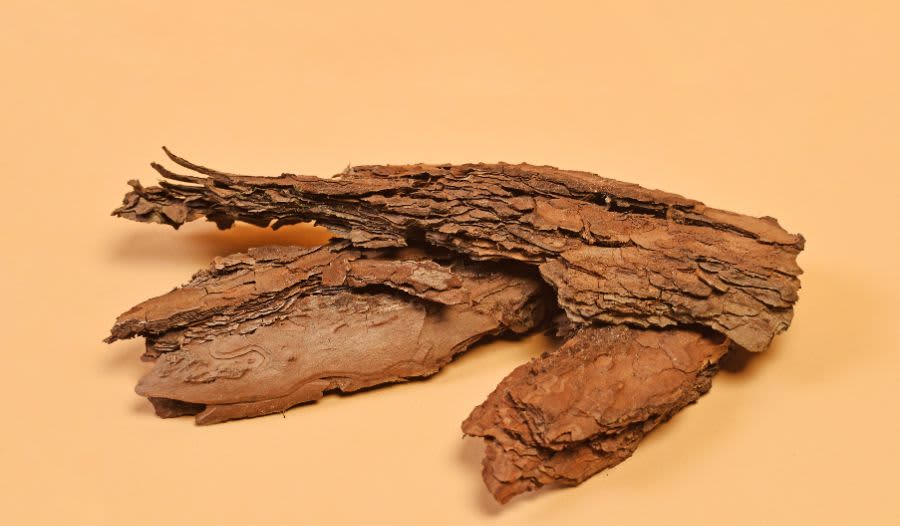
Οι αξιόπιστες μάρκες χρησιμοποιούν προγράμματα δοκιμών τρίτων όπως USP, NSF ή Informed Choice για να επαληθεύσουν την καθαρότητα και τον έλεγχο για βαρέα μέταλλα και συνθετικά νοθεία. Ελέγχετε πάντα τη διαφάνεια προέλευσης. Η βιώσιμη συγκομιδή Pausinystalia yohimbe από το Καμερούν ή τη Γκαμπόν δείχνει ηθική προμήθεια.
Τέλος, αποφύγετε τα προϊόντα που συνδυάζουν το Yohimbe με άλλα διεγερτικά όπως η καφεΐνη ή η συνεφρίνη. Ξεκινήστε με τη χαμηλότερη συνιστώμενη δόση και μην υπερβαίνετε ποτέ τις οδηγίες του προϊόντος. Το Yohimbe μπορεί να είναι πολύ ασφαλές και αποτελεσματικό όταν χρησιμοποιείται υπεύθυνα και προέρχεται από αξιόπιστους προμηθευτές.
Συχνές ερωτήσεις
Είναι το Yohimbe ασφαλές για μακροχρόνια χρήση;
Το Yohimbe είναι το καλύτερο για βραχυπρόθεσμη ή διαλείπουσα χρήση. Η συνεχής πρόσληψη μπορεί να υπερδιεγείρει το νευρικό σύστημα και να αυξήσει την αρτηριακή πίεση. Ακολουθείτε πάντα τις οδηγίες της ετικέτας και συμβουλευτείτε έναν επαγγελματία υγείας.
Το Yohimbe αυξάνει την τεστοστερόνη;
Όχι. Τα αποτελέσματα του Yohimbe προέρχονται από βελτιωμένη κυκλοφορία και δραστηριότητα νευροδιαβιβαστών, όχι από ορμονικές αλλαγές.
Ποια είναι η διαφορά μεταξύ Yohimbe και yohimbine;
Το Yohimbe αναφέρεται στο εκχύλισμα φλοιού δέντρου, ενώ η yohimbine είναι η απομονωμένη δραστική ένωση του. Οι περισσότερες έρευνες χρησιμοποιούν τυποποιημένη yohimbine και όχι ακατέργαστη σκόνη φλοιού.
Μπορεί το Yohimbe να υποστηρίξει τη διαχείριση βάρους;
Μπορεί να ενισχύσει την κινητοποίηση του λίπους κατά τη διάρκεια της νηστείας ή της άσκησης, αλλά δεν πρέπει να αντικαθιστά τη σωστή διατροφή και σωματική δραστηριότητα.
Γιατί το Yohimbe περιορίζεται σε ορισμένες χώρες;
Λόγω των διεγερτικών επιδράσεών του και της ασυνεπούς ποιότητας, ορισμένες περιοχές περιορίζουν την πώλησή του. Στις Ηνωμένες Πολιτείες, η συνταγογράφηση yohimbine ρυθμίζεται, ενώ τα συμπληρώματα διατροφής πρέπει να πληρούν τα πρότυπα ασφαλείας.
Αναφορές:
- Σπίγκελ, Α. (1896). Απομόνωση Yohimbine και φαρμακολογικός χαρακτηρισμός. Αρχείο Πειραματικής Παθολογίας και Φαρμακολογίας, 37, 163 έως 189.
- Τράβισον, Τ.Γ., Αράουζο, Α.Β., Κούπελιαν, Β., Ο'Ντόνελ, Α. Β. και ΜακΚίνλεϊ, Τζέι Μπι (2007). Η σχετική συμβολή των παραγόντων γήρανσης, υγείας και τρόπου ζωής στη μείωση της τεστοστερόνης στον ορό στους άνδρες. Εφημερίδα Κλινικής Ενδοκρινολογίας και Μεταβολισμού, 92, 196 έως 202.
- Λεπρολτ, Ρ. και Βαν Κάουτερ, Ε. (2011). Επίδραση της απώλειας ύπνου στα επίπεδα τεστοστερόνης σε νέους υγιείς άνδρες. ΤΖΑΜΑ, 305, 2173 έως 2174.
- Μίκερ, Τζέι Ντ., Έρλιχ, Σ. και Τοθ, Τ.Λ. (2009). Έκθεση σε φθαλικό άλας σχετίζεται με μειωμένη τεστοστερόνη σε ενήλικες άνδρες. Προοπτικές περιβαλλοντικής υγείας, 117, 1714 έως 1720.
- Γκόλντσταϊν, Ι., Λου, Τ.Φ., Πάντμα Νέιθαν, Η., Ρόζεν, Ρ. Κ., Στιερς, Γουάιντ., & Γουίκερ, Π.Α. (1998). Από του στόματος σιλδεναφίλη στη θεραπεία της στυτικής δυσλειτουργίας. Εφημερίδα της Ιατρικής της Νέας Αγγλίας, 338, 1397 έως 1404.
- Μπάλα, Α., Σινγκ, Π. και Τσατούρβεντι, Σ. (2022). Μοτίβα και αντιλήψεις για την ψυχαγωγική χρήση αναστολέων PDE 5 μεταξύ νεαρών ανδρών. Κριτικές σεξουαλικής ιατρικής, 10, 217 έως 229.
- Εκθέσεις επιβολής του FDA. (2023). Πλαστά φάρμακα στυτικής δυσλειτουργίας. Υπηρεσία Τροφίμων και Φαρμάκων των Ηνωμένων Πολιτειών.
- Νόβακκα, Α., Κοβάλτσικ, Μ. και Βιτσόρεκ, Μ. (2024). Το Yohimbine ως δίκοπο σπαθί στη μεταβολική και αγγειακή φυσιολογία. Διεθνές Περιοδικό Μοριακών Επιστημών, 25, 2014.
- Guay, A.T., Spark, R.F., Bansal, S., & Cunningham, G.R. (2002). Θεραπεία Yohimbine για στυτική δυσλειτουργία: κλινική προοπτική. Εφημερίδα της Ουρολογίας, 167, 1379 έως 1383.
- Όστοιτς, Σ.Μ. (2006). Συμπλήρωμα yohimbine και απώλεια λίπους που προκαλείται από την άσκηση σε αθλητές. Έρευνα στην Αθλητική Ιατρική, 14, 289 έως 299.
Ερνστ, Ε. και Πίτλερ, Μ. (1998). Yohimbine για στυτική δυσλειτουργία: συστηματική ανασκόπηση και μετα-ανάλυση τυχαιοποιημένων κλινικών δοκιμών. Η Εφημερίδα της Ουρολογίας, 159, 433 έως 436. https://doi.org/10.1016/S0022 5347 (01) 63942 9 - Lue, Τ.Φ. (2000). Στυτική δυσλειτουργία. Εφημερίδα της Ιατρικής της Νέας Αγγλίας, 342, 1802 έως 1813.
- Γουίμποβο, Δ., Σοεμπάντι, Δ., & Σοεμπάντι, Μ. (2021). Yohimbine ως θεραπεία για στυτική δυσλειτουργία: συστηματική ανασκόπηση και μετα-ανάλυση. Τουρκικό Περιοδικό Ουρολογίας, 47, 482 έως 488. https://doi.org/10.5152/tud.2021.21206
- Γκουάι, Α., Σπαρκ, Ρ., Τζέικομπσον, Τζέικομπσον, Τζέι, Μάρεϊ, Φ. και Γκέισερ, Μ. (2002). Θεραπεία με Yohimbine της οργανικής στυτικής δυσλειτουργίας σε μια δοκιμή κλιμάκωσης δόσης. Διεθνές Περιοδικό Έρευνας Ανικανότητας, 14, 25 έως 31. https://doi.org/10.1038/sj.ijir.3900803
- Πορστ, Χ., Μπέρνετ, Α., Μπροκ, Γ., Γκάνεμ, Χ., Τζουλιάνο, Φ., Γλίνα, Σ., Χέλστρομ, W., Μαρτίν Μοράλες, Α., Σαλόνια, Α. και Σαρλίπ, Ι. (2013). SOP συντηρητική, ιατρική και μηχανική, θεραπεία της στυτικής δυσλειτουργίας. Η Εφημερίδα της Σεξουαλικής Ιατρικής, 10, 130 έως 171. https://doi.org/10.1111/jsm.12023
- Κοέν, Π. Α., Αβούλα, Β., & Χαν, Ι.Α. (2016). Μεταβλητότητα στην επισήμανση και το περιεχόμενο του συμπληρώματος Yohimbe. Εφημερίδα της Κλινικής Φαρμακολογίας, 56, 1185 έως 1190.
ΑΠΟΠΟΙΗΣΗ ΕΥΘΥΝΗΣ:
Αυτές οι δηλώσεις δεν έχουν αξιολογηθεί από τον Οργανισμό Τροφίμων και Φαρμάκων (FDA) των ΗΠΑ. Τα προϊόντα αυτά δεν προορίζονται για τη διάγνωση, τη θεραπεία ή την πρόληψη οποιασδήποτε νόσου.


























































 Πίνακας περιεχομένων